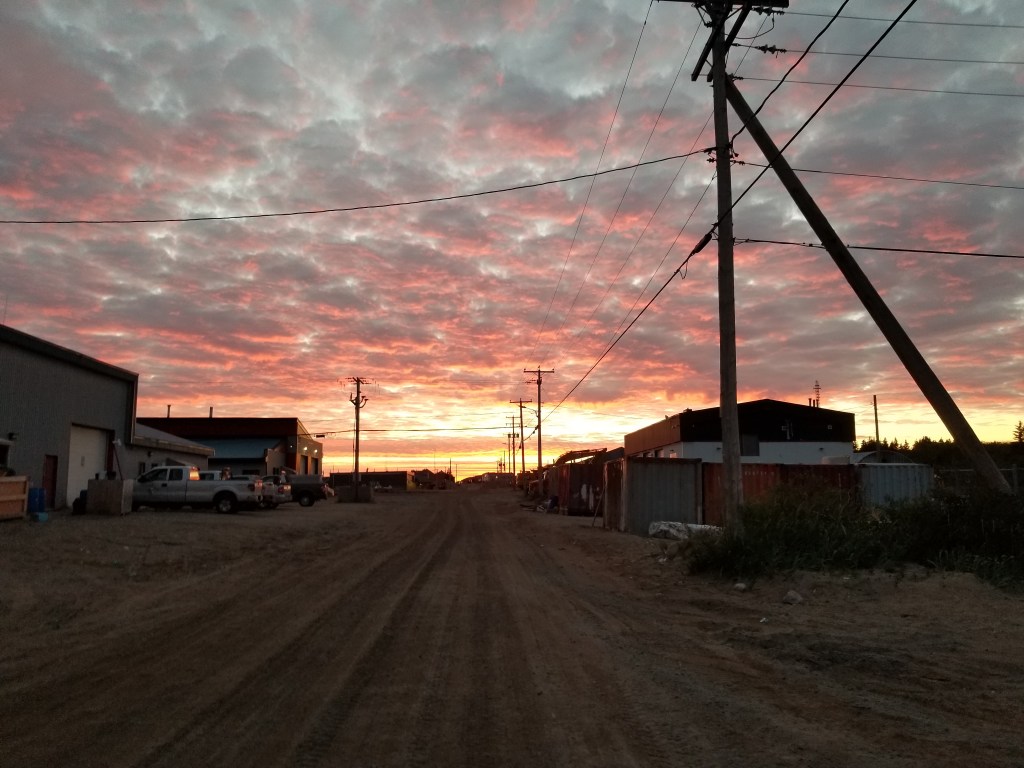
Alright, this is going to be a big post. Strap up and enjoy.
Umiujaq’s Beauty
Our final days in Umiujaq were bold. We hiked even further down into these fantastical mountains to see some more awe-inspiring landscapes. The shapes that the previous ice age carved into this land is nothing short of beautiful.
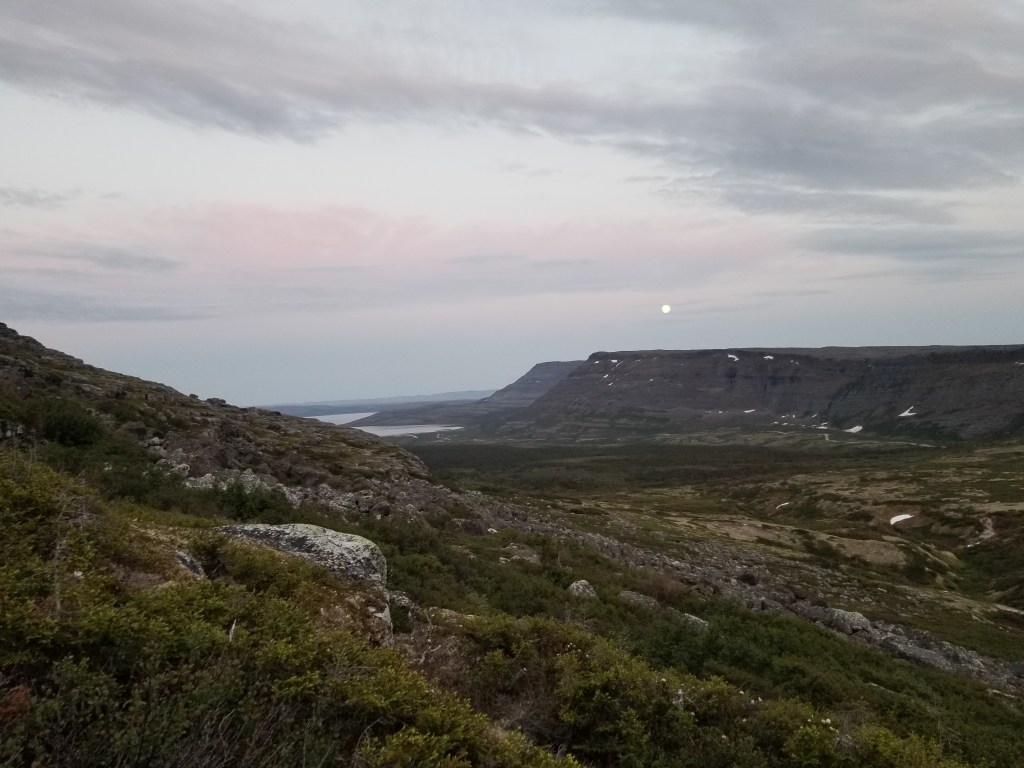
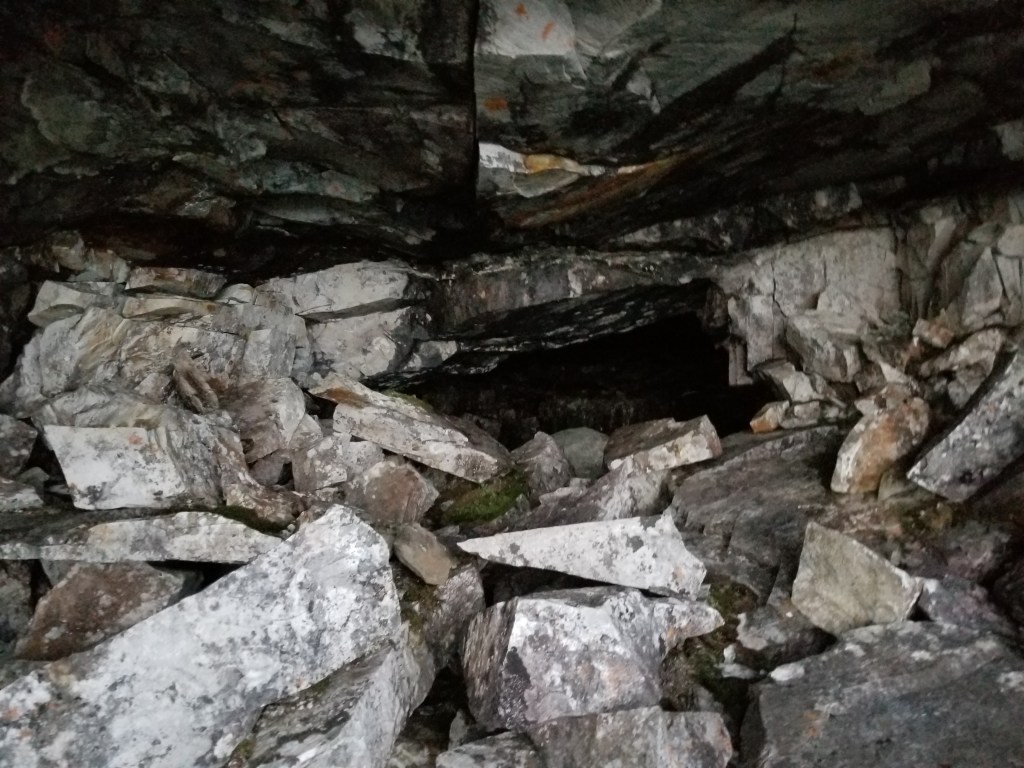
In these scarred terrains, our friend Josie showed us some caves. They are not anything to rave about, caves here are not tortuous nor deep, but it is still a recognizable landmark for these hills.
We also went fishing in the Hudson’s bay. This was a first for me, as I have never fished in my life. (I know, city-boy) Started off my fishing experience with a stormy day with very animated waters. Didn’t catch anything, but the others caught 5 cods. We ate them the next day, pretty delicious stuff.
That marks the end of our stay at Umiujaq….
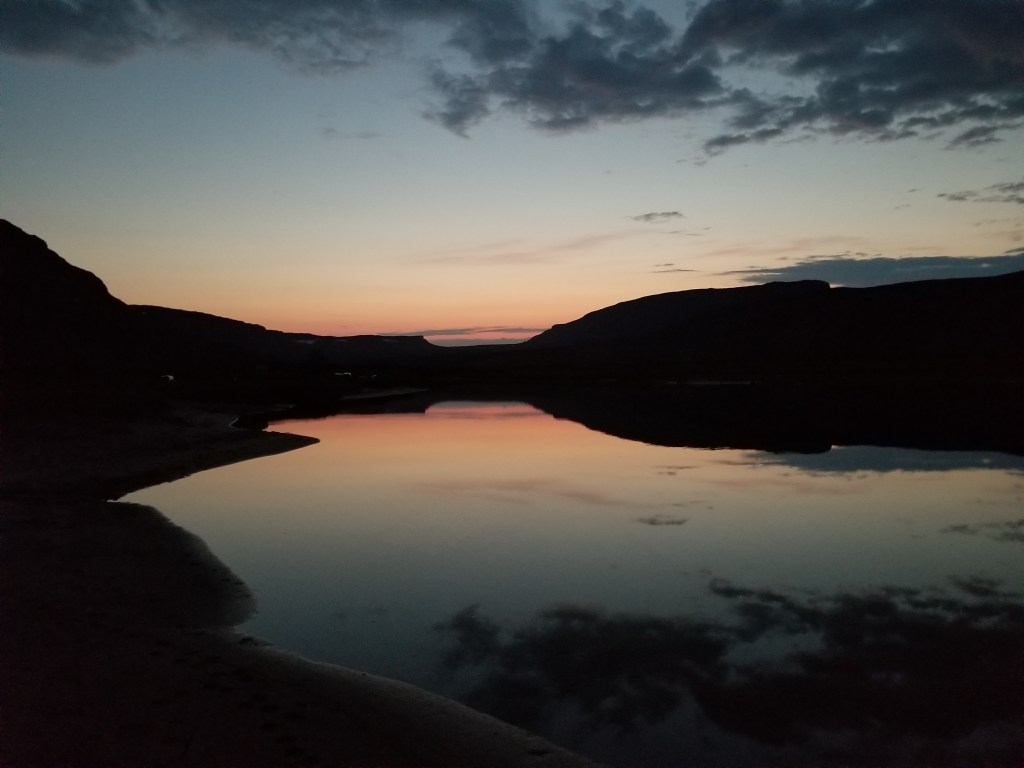
The Return
On the 26th, we came back to Kuujjuaraapik. 9 more days to finish our work. That also means 9 more days of adventure. So far, this statement holds a lot of truth.
The first four days, we were stationed at a place called the Centre d’Étude Nordique. Its a university association led by Laval University. It is a scientific organization where studies of all kind are conducted all over the north. We encountered some CEN scientists in Umiujaq where they were studying the geothermal potential of the region to possibly explore greener and more sustainable energy sources.
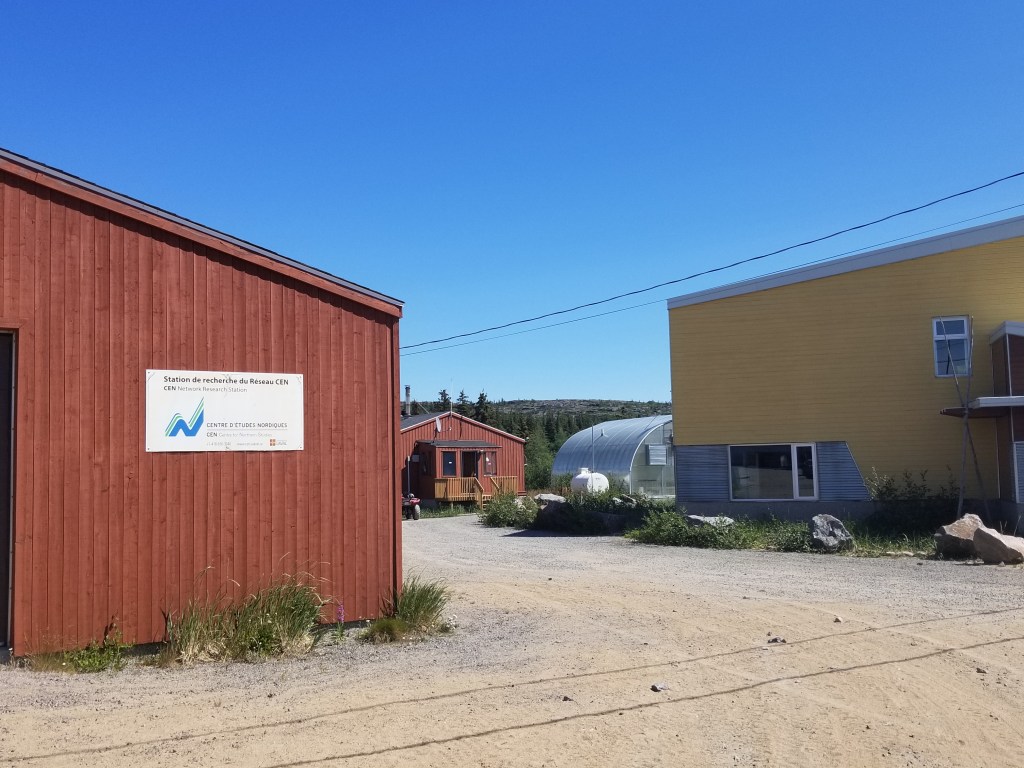
Anyway, the Whapmagoostui CEN is the biggest, and it has the capacity to lodge visitors. Bunk beds, communal kitchen and bathrooms with little to no privacy, but it was actually quite nice. However, I can’t lie, the internet was beyond dreadful. We tested, it clocked in at a whopping 0.08 Mbps download speed. It definitely stunted our work flow, and it is my excuse for why I did not post, as I could not upload photos.
We met up with the CEN caretakers, Gabriel and Thomas. Great guys all around, and they exposed me to a new kind of job opportunity. As a Geography major and probably a Geography graduate in the future as well, I would have tons of possibilities to work in CENs all across Nunavik.
After a week in Umiujaq and a return to Kuujjuaraapik, we are now reunited with our squads. We got the fiber optic boys still holding the fort at the hotel, our good friends that live here and now the CEN boys. What are we going to do? What are we up to?
Lets see…
No science when its windy
“No science when its windy,” came to life when all of us took a day off. We decided to do that because there was a prominent Cree gathering and it was in its final day. Meaning that no one would be home, meaning that we would not get any work done.
We decided to monopolize our ATV rental contacts and rented 6 ATVs. In total, we had 9. First stop, the CEN boys needed to hunt butterflies for research purposes. We had to go deeper inland with ATVs to find a bog, a promising place for butterfly hunting. However, the ATV trails were probably the most prominent part of this adventure. As an inexperienced driver in every sense, the dips, the rock climbs and the steep turns in forests generated quite the sweat from me. When we finally came to the bog, well the quote says it, it was too windy for science, no butterflies were around.
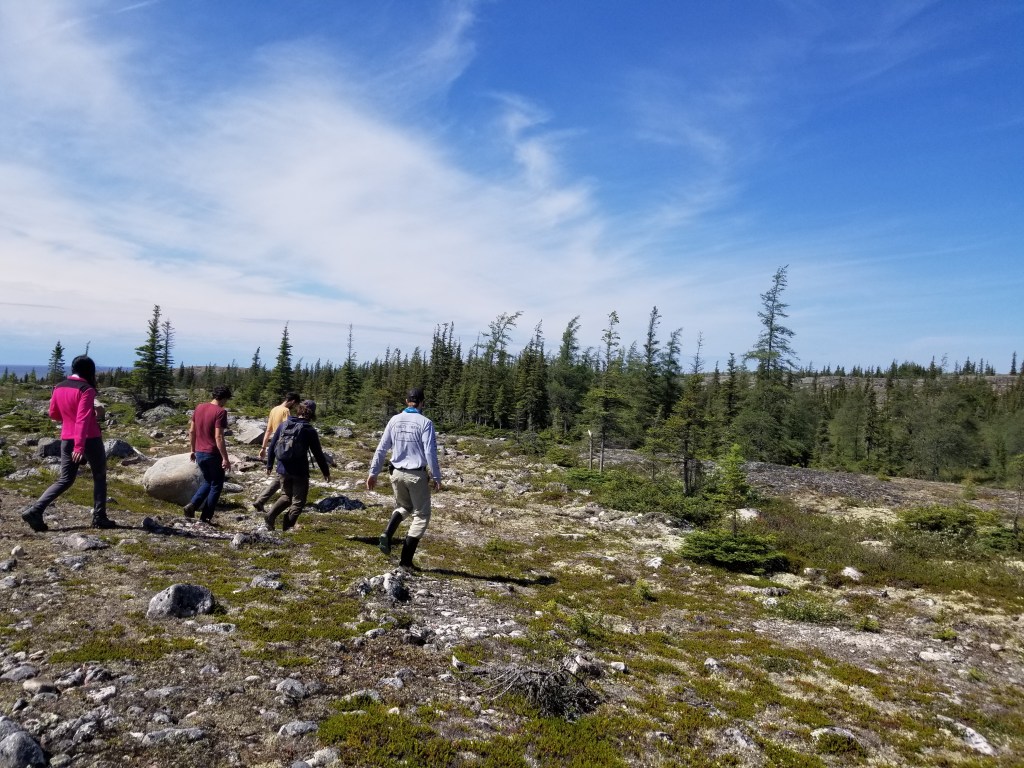
After that, we decided to head to the gathering itself. We had been invited by some locals the day before, so we couldn’t miss that chance.
The festival took place up the 12 KM road. This road goes northward along the bay and it is key when travelling deeper inland. Locals also use this road to locate landmarks. For example, the festival is at Kilometer 9, other things might be at Kilometer 4.5, and so forth. No worries, there are small posts that delineate every half-kilometer, making it pretty easy to find anything.
The festival looked like a small village. Tipis were set everywhere, with a lot of people camping. The event itself was calm, ornate with a Cree prayer in the beginning and a feast. We looked terribly out of place, it was funny.
There was a very clear order to who could get food first. First ones to go in the tent were the elders, then followed by the kids, and then women ending with men. We were served a variety of dishes, but the meal of the night was bear. And you know what, bear meat is surprisingly good. It has the texture of pressure cooked beef with a pronounced taste, but delicious overall. It had no spices on it, but I bet that if it did, it would have been absolutely wonderful.
The feast went on for a while, and a band started playing some classic songs. The event was traditional, yet modern at the same time.
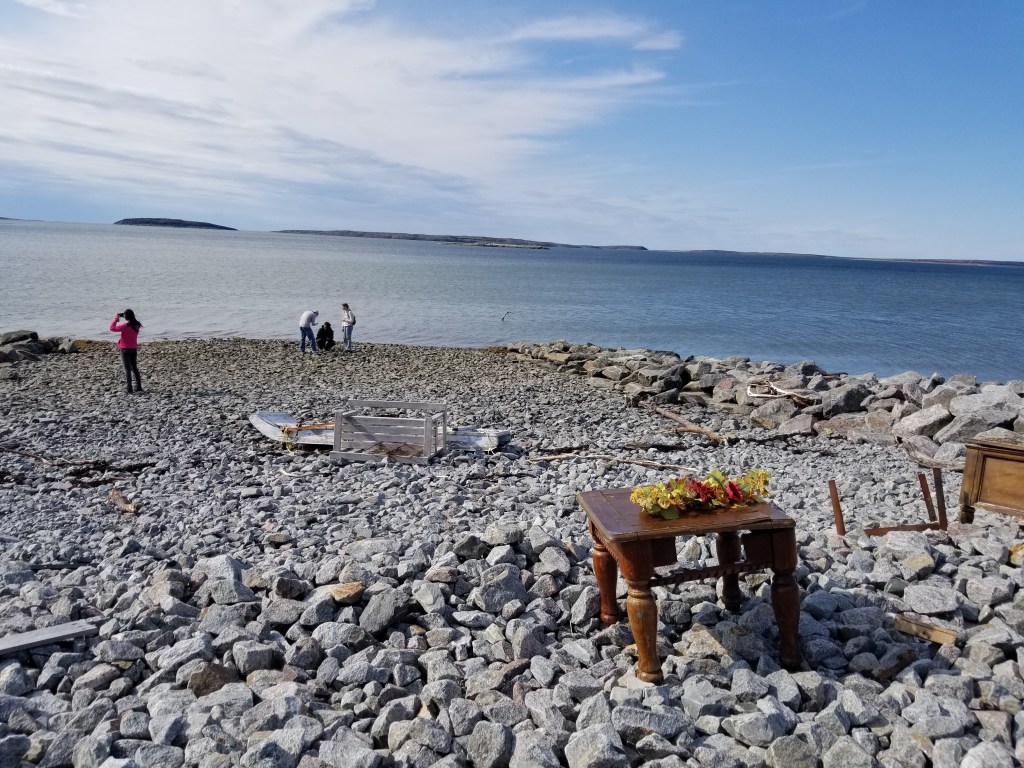
During that day, we also traveled to the 12km point of the road. On an ATV, this ride is pretty swift and takes about 25 minutes. There is not much out there, but it is pretty beautiful.
Night Walks
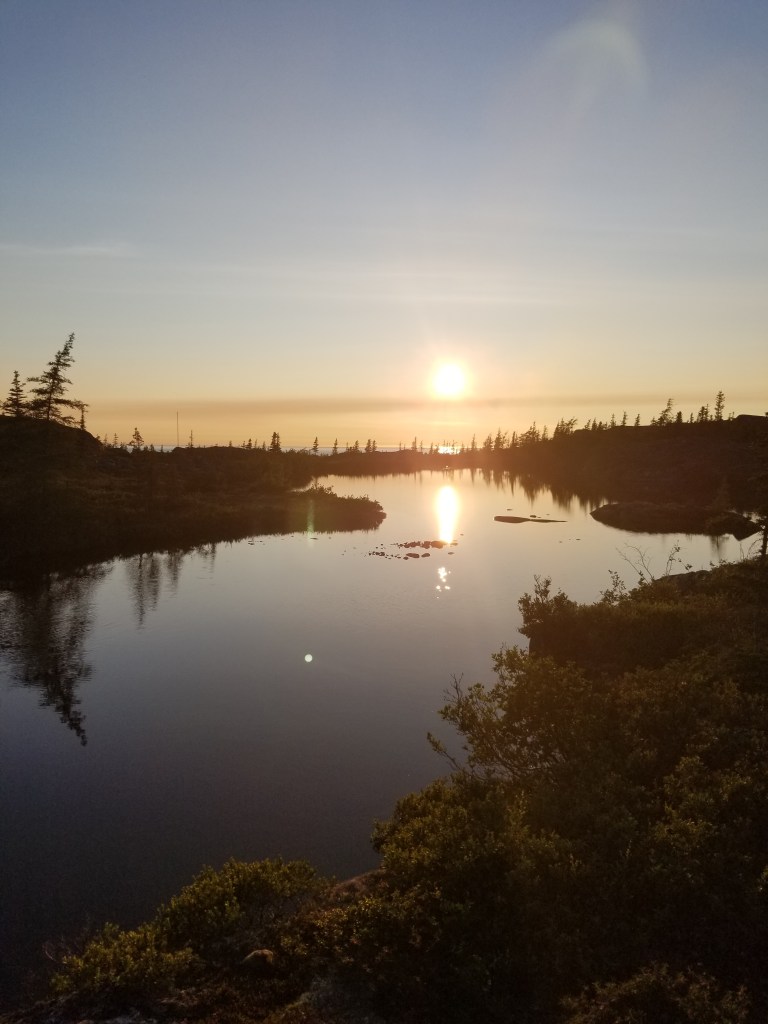
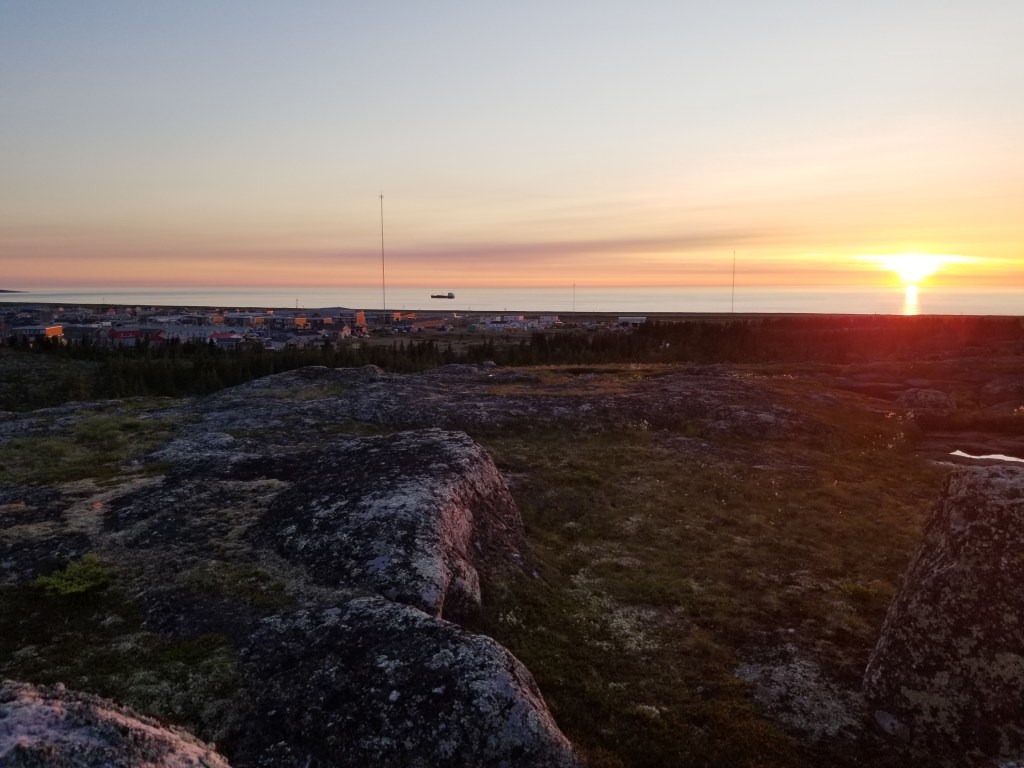
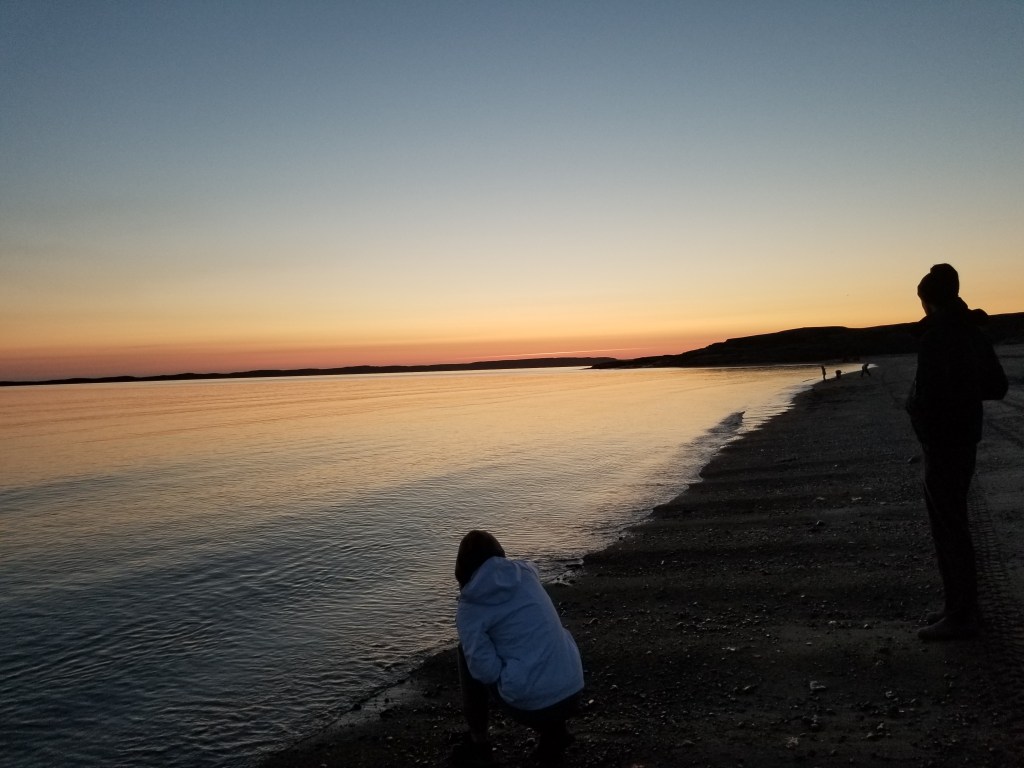
Went on a few night walks during my stay here. Nice way for me to reconvene with my thoughts. Here is a photo dump of that.
Had the chance to witness some very good Northern Lights, which is lucky because the prime season is winter usually.
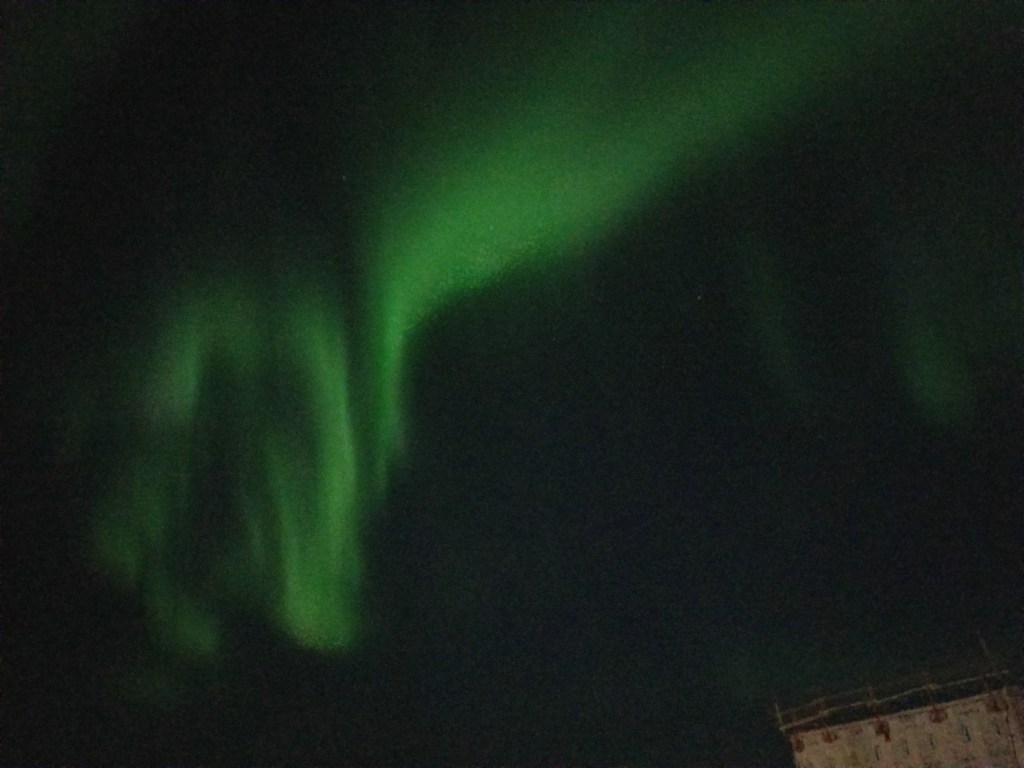
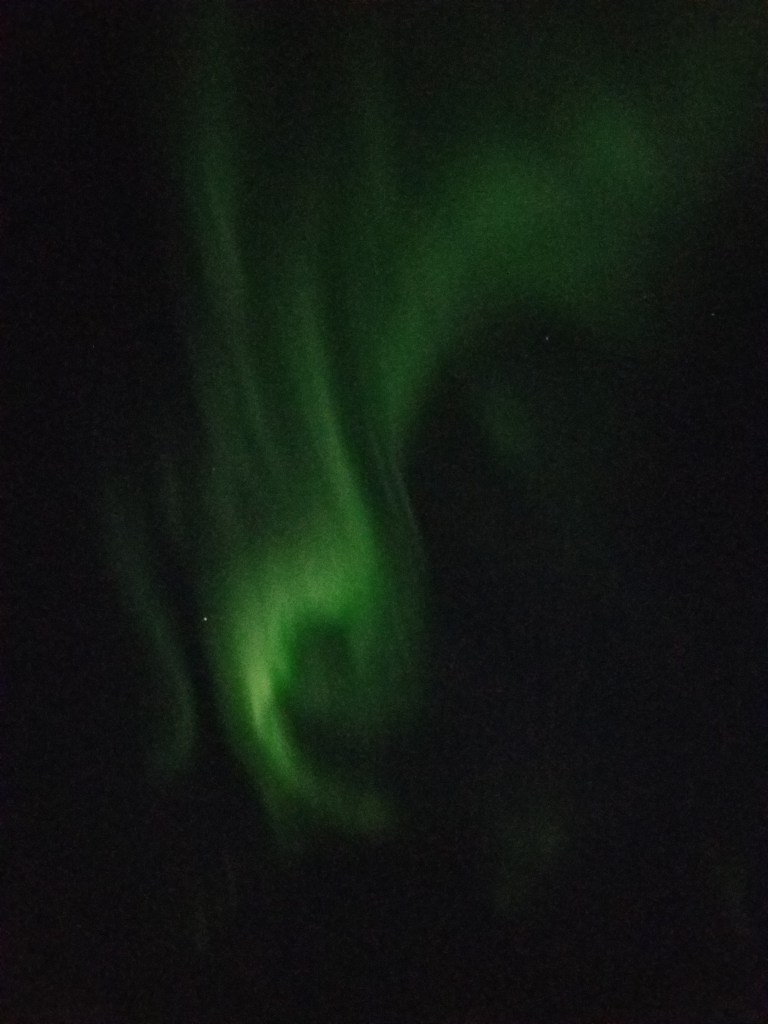
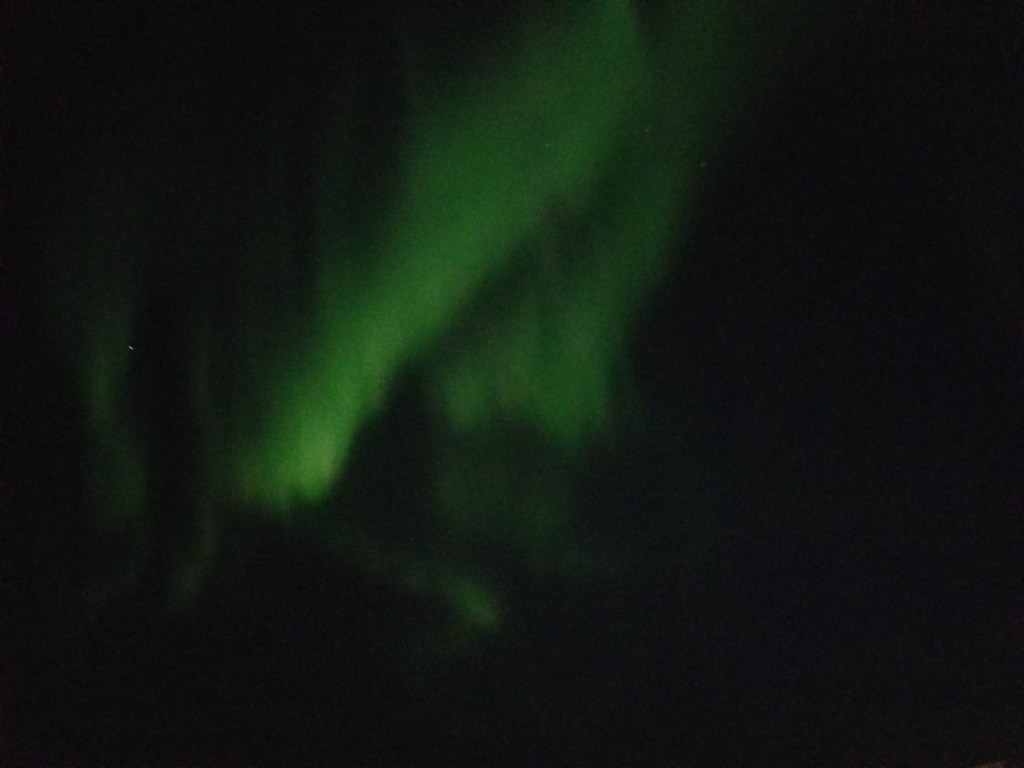
Don’t mind me, but here is a geocultural tangent. As any prominent environmental events, Northern Lights have a deeply spiritual and folkloric meaning to people here. I mean, think about it, imagine witnessing these euphoric light patterns for the first time before books could tell us what they were. It strikes the mind.
Usually, these lights tend to spiral and weave around until they dissipate. Locally, this is referred as dancing. The lights are dancing. In a result to the striking nature of the lights, a causal relationship has been culturally established between throat singing and the dancing of lights. I was told by someone here that she and her sister throat sang during a very active northern lit sky on a winter night. The lights started to frantically dance until they stopped singing. These moments are euphoric, no doubt. Especially considering the very spiritual and introspective nature of throat singing.
About that, throat singing is not something I talked about yet. Now I will. As a musician, I find myself extremely impressed by the technique involved to successfully sing a throat singing song. I was able to witness many instances of it because it is a fun thing to do for them. A nice activity to do with a close one.
It takes two people. One person leads, and the other follows. Usually, they will face each other whilst holding arms, making it an intimate and personal experience. The lead singer will start the song, and the follower’s job is to mimic what the lead does. This creates a song that is rhythmic because a tempo is established between the singers’ back and forth. Their singing technique is twofold. The rhythm is sang through the stomach and sounds like a growl. The melody is sang through the nose and sounds chirpy.
After a conversation with Daphne, someone who has been throat singing for a majority of her life, she revealed what the purpose and the origin of throat singing is. It started off as a game played by women who would stay at the camp whilst men were hunting. Throat singing has what they call “turns” in their songs, meaning an unexpected change that the follower needs to surpass to keep up with the leader. The game ends when one of the singers starts laughing, or looses track of the turns.
In modern times, Daphne defines throat singing as a delicacy of the Inuit culture. Like their signature fur coats and mittens, throat singing has become a cultural landmark of the Inuit customs. Thus, they take pride in performing it in front of newcomers. I was in awe the first time they showed it to me, and I still am.
Paintballing
After a long day of work, my group was invited to a paintball game. I had heard about the weekly paintball games mainly from people in my age group as they were excited to participate in it.
20 dollars for entry.
Wait a minute, 20 dollars for entry? That is about 3 times less than what is paid down south. What were we in for?
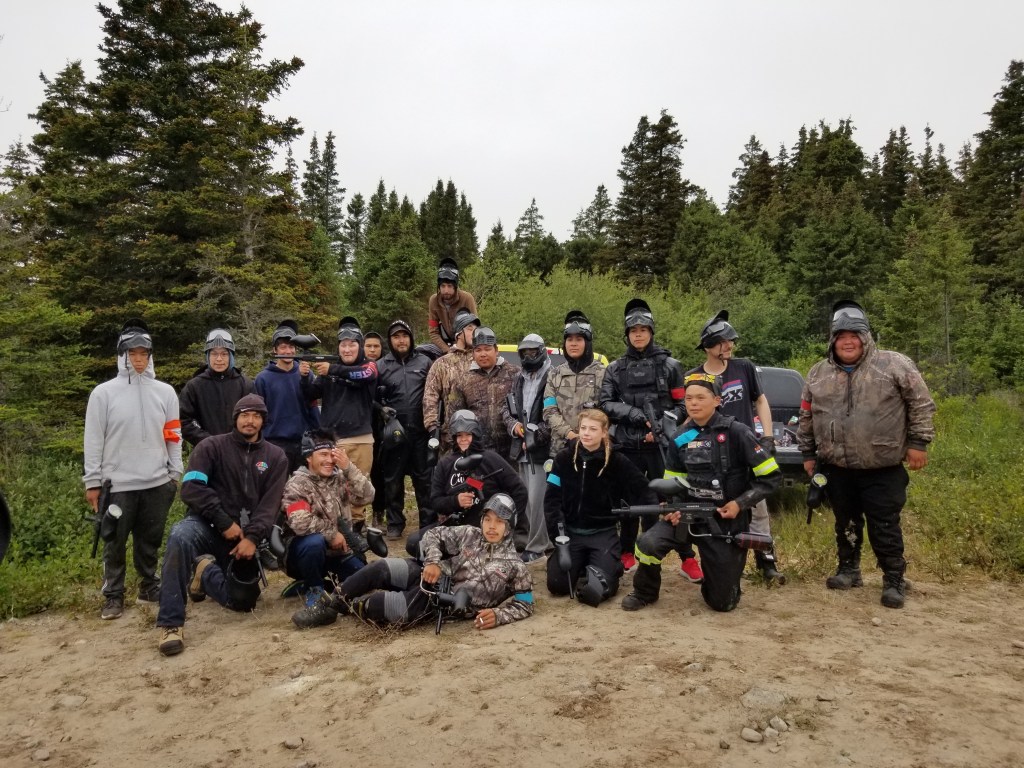
A whole lot of fun, that is what we were in for. I unfortunately came a bit too late due to an unforeseen accident. (I mired a truck in sand) But, it turned out great because I got the spectator position.
How it works is fairly simple. The red and blue team battle it out in a deathmatch, like any other paintball game. When you run out of bullets or get hit, you leave the battleground.
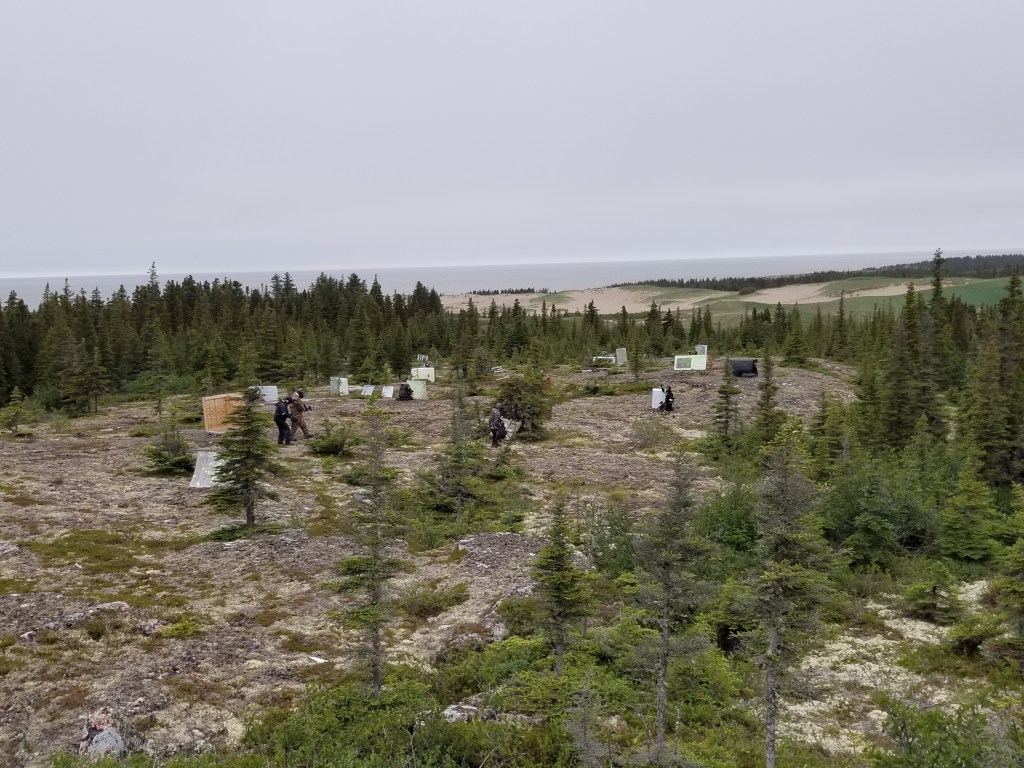
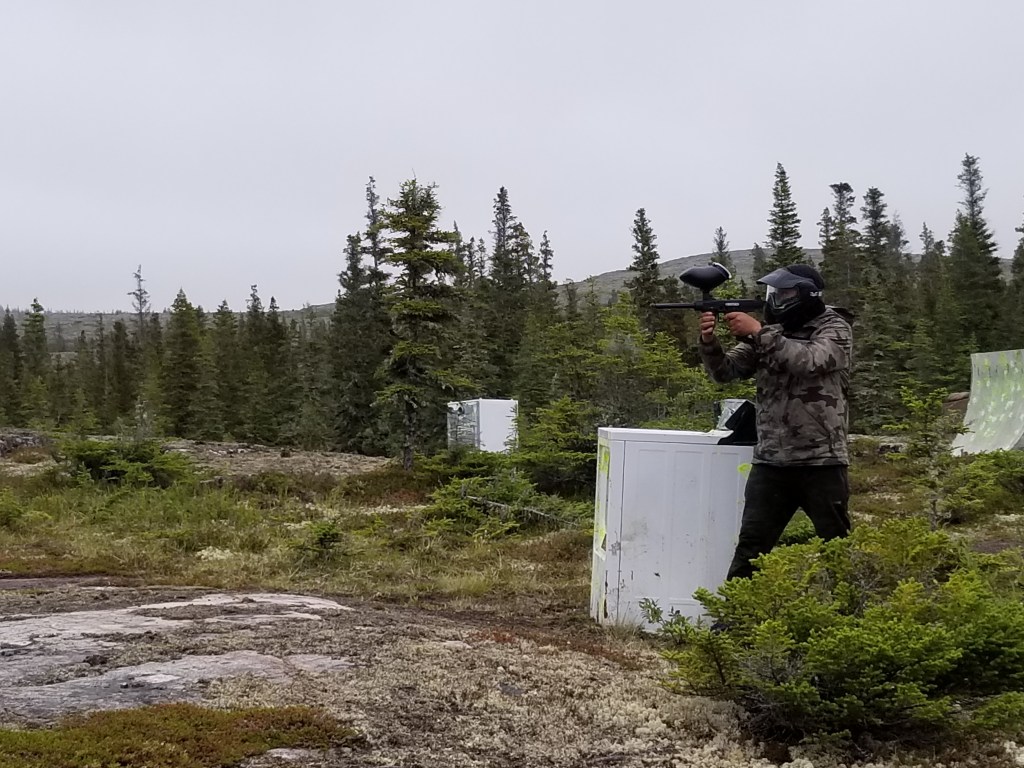
The game lasted around 2 hours, and a lot of bullets were used. I doubt the organizer is making any money on this as paintballs are notoriously expensive even in the south. But, if he organizes it every week simply because it is a good time, huge props to him.
At the end, everyone was in a great mood and went for a drink at the Social Club.
Visiting the landslide
On a rainy morning, the CEN boys took us on quite the boat ride. As mentioned in a previous post, a landslide occurred about 10 km inland following the Great Whale River. The effects of its rampage have been seen hundreds of kilometers away. Now, it was time to see it.
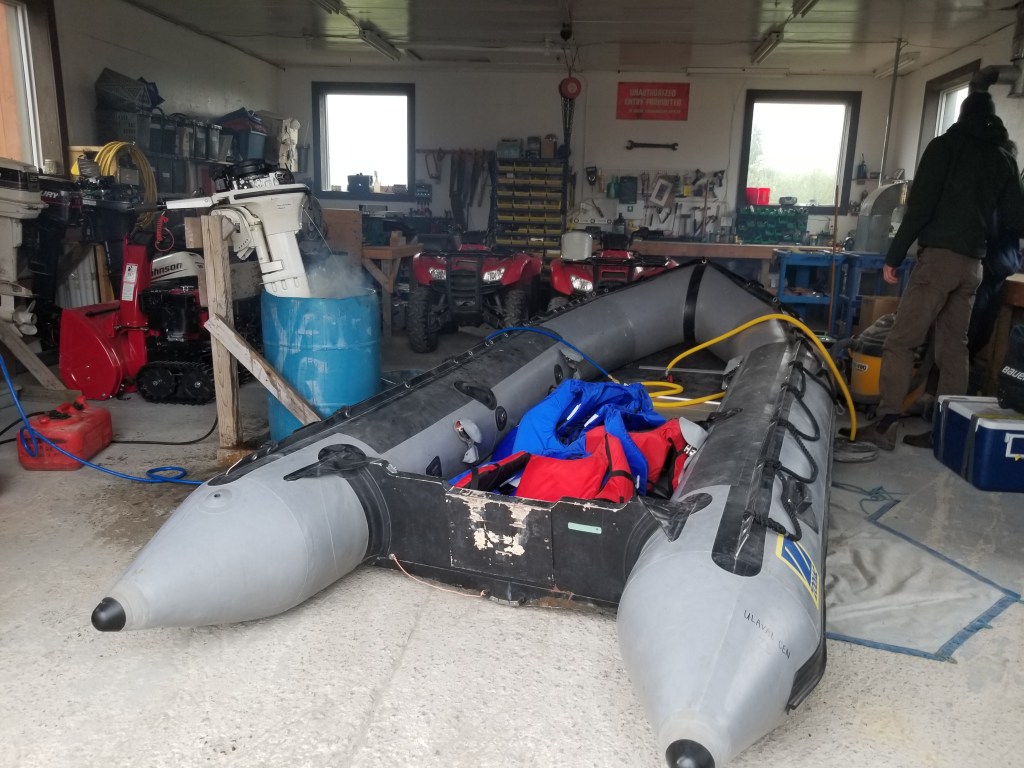
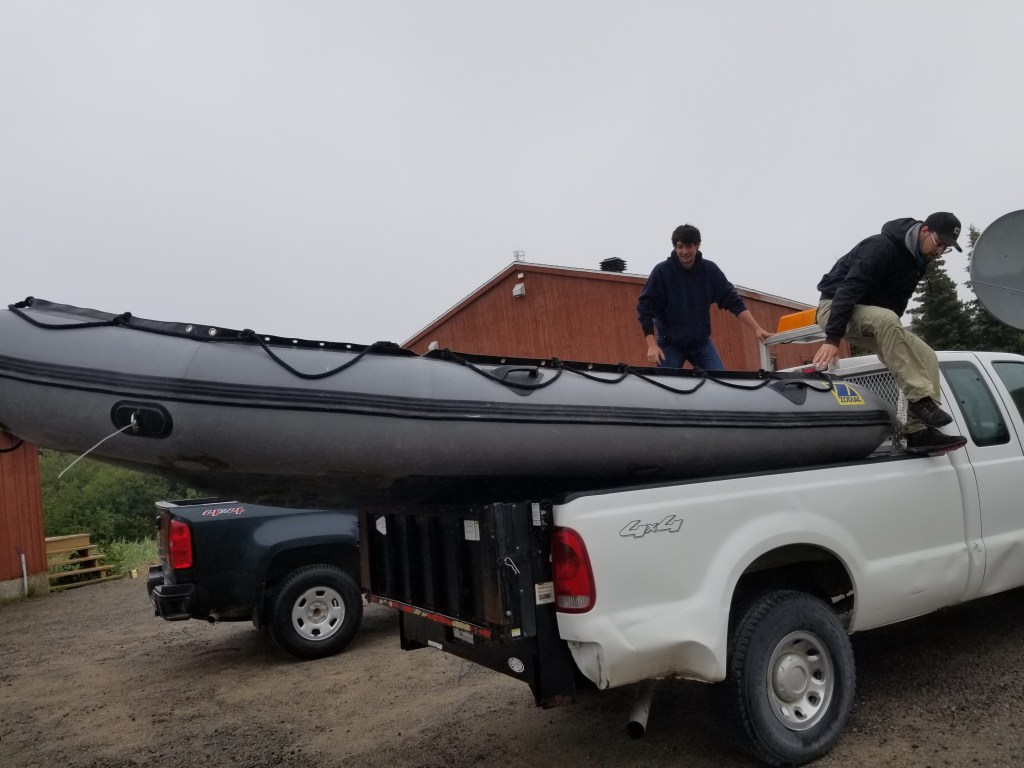
Our boat was a Zodiac with a 15 horsepower engine that was completely busted the day before. The Nova Scotians being Clifford and Wilson were comfortable enough with boat mechanics to fix it. These two coastal boys were crucial to the success of our venture as they guided us through the various intricacies of water currents with ease. They were familiar with that because they did it so many times on Nova Scotia’s Shubie River. Their expertise definitely saved us from a few crashes.
It was a foggy morning. So, after navigating the river for a few minutes, the ominous clay topography started to pierce through the fog. We all realized what we were about to witness.
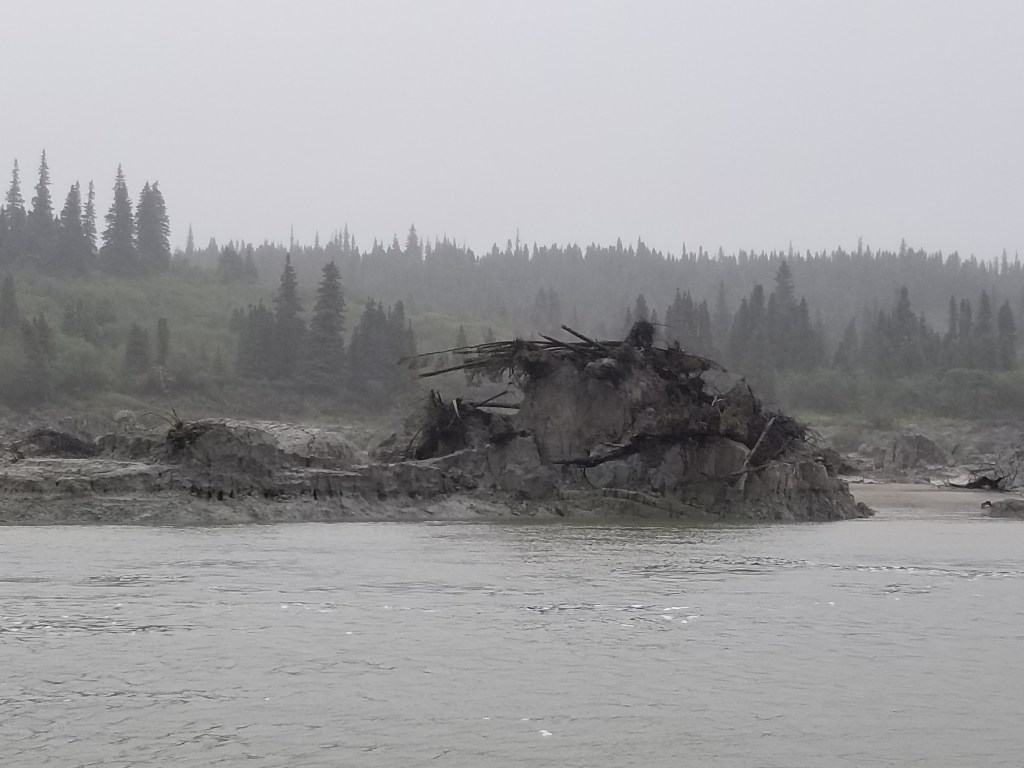
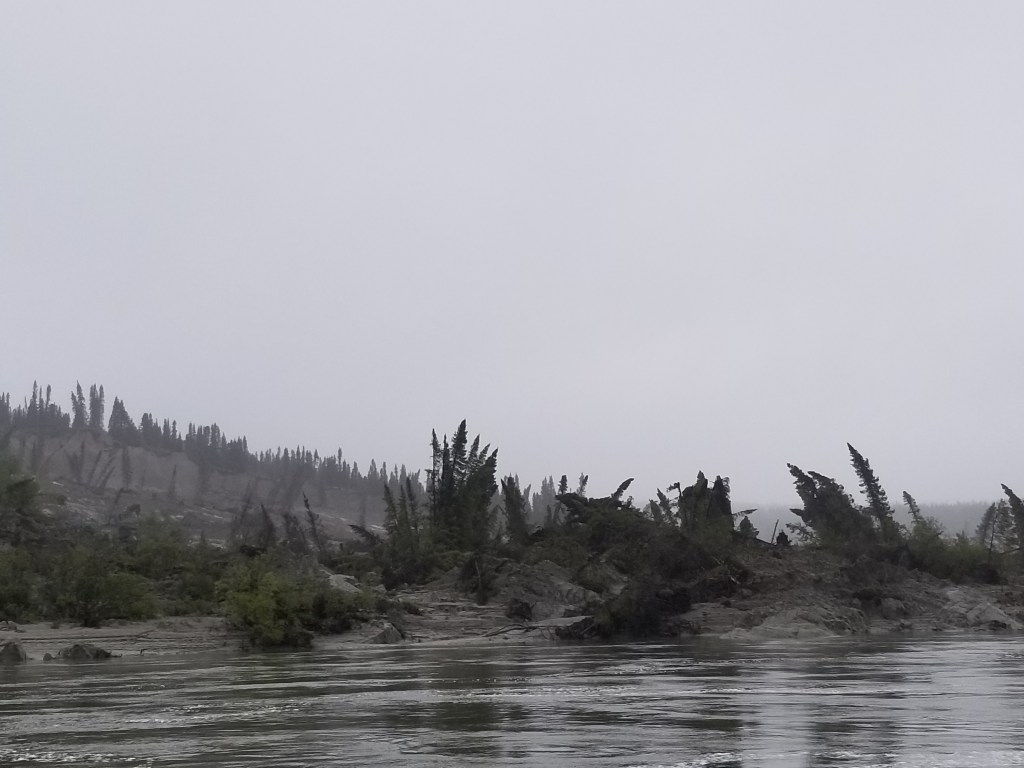
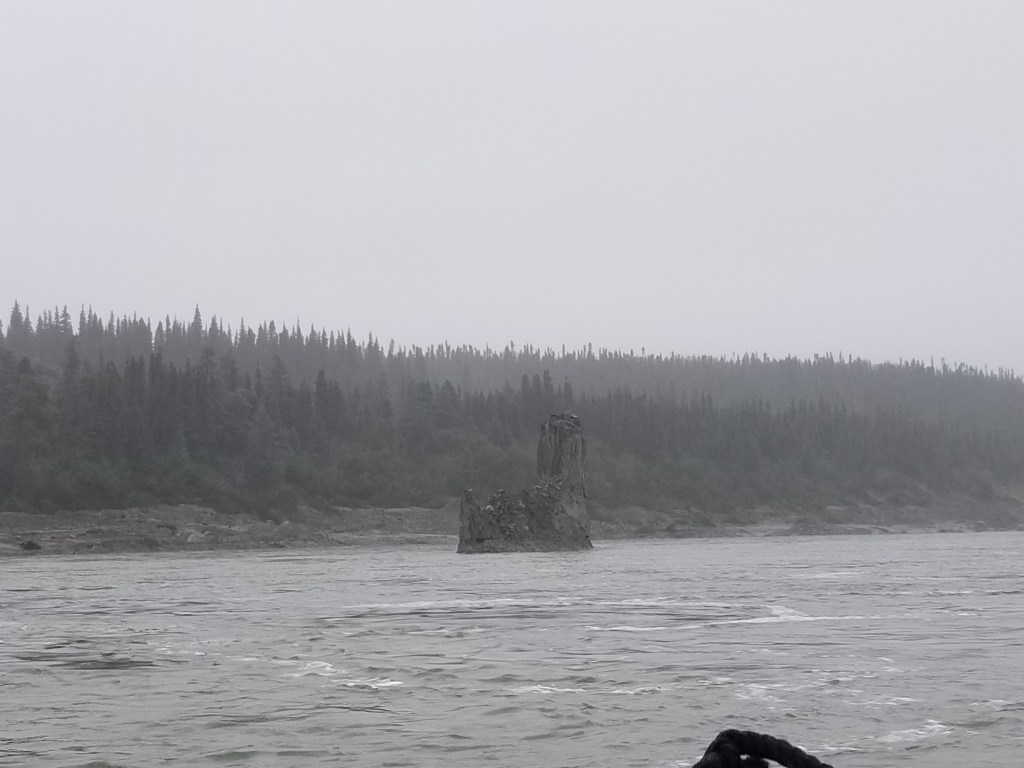
The razed trees and the piles of clay have scarred the environment here. This is a natural event with massive natural consequences, and it shows. The tons and tons of clay that are now in the water has made it muddy and unclear, undoubtedly influencing the water’s ecosystems. Wet clay everywhere makes this place difficult to cross for any animal. Trees that were hundreds of years old will now slowly decompose either as driftwood or forever paralyzed in wet clay. And we have not even reached the landslide yet.
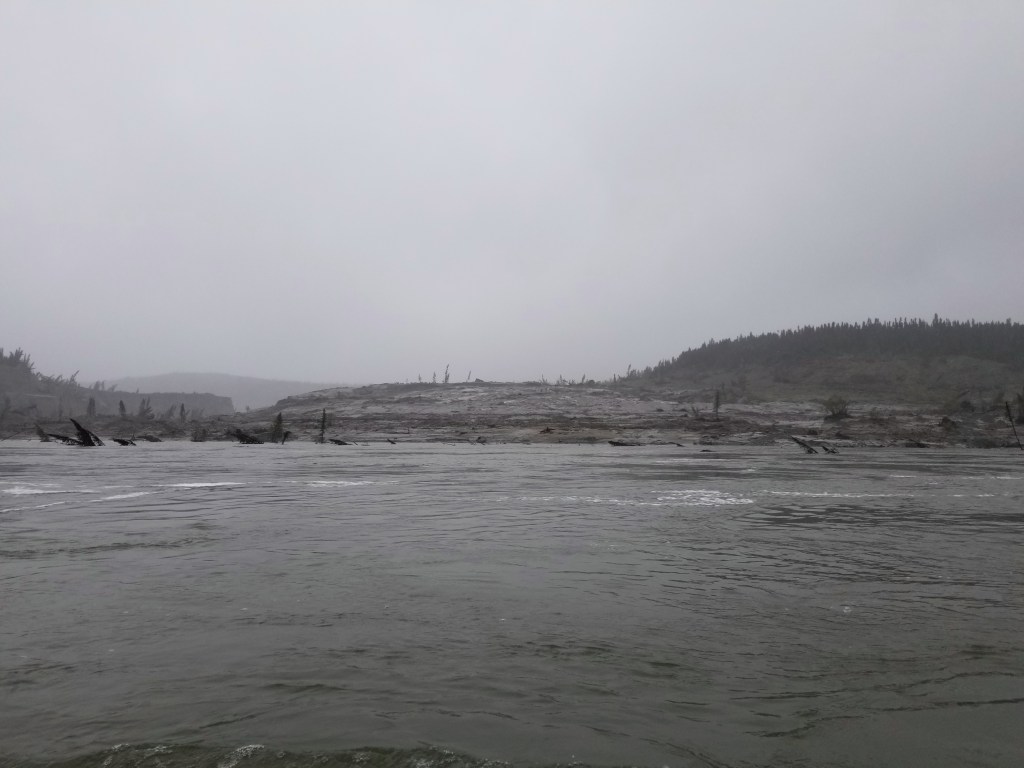
A patch of land, about 2km deep and a few hundred meters wide, erased. This landslide is an understudied event, but I heard some people say it was the second biggest in Canada. Entirely unofficial sources though.
Now, how does this happen? Well, time to do my job. We all know what clay feels like right? When its dry its scaly and solid and when its wet, its malleable and sticky. Quebec has a lot of regions where the soil is mainly made up of clay. This is the case for the soil in Kuujjuaraapik/Whapmagoostui. So, when there is too much water in the clay, it becomes malleable and it slides away, collapsing to gravity.
This Spring, there were some abnormally hot days here. These hot days melted the snow at a much quicker pace than usual. This water trickled down to the clay soil, and when the clay reached that stage where it starts to slide, a physical domino effect ensued, creating a massive landslide. This is my personal hypotheses of what happened here based on my Geography studies. Nothing official, but something to think about. However, my hypotheses does entail that climate change has an influence over the quantity and size of landslides in clay soil regions of Quebec. If the temperatures are more and more extreme, we may see more and more extreme landslides.
Also, the community has been worried about the water quality, specifically inquiring about the ability to swim in it. I was told that the beach would be filled with people on a hot day prior to the landslide. Now, not many dare to swim in it. So, the scientific community needs to get out there and make every research needed to ensure safety for the people here.
Final Words
Kuujjuaraapik… wow. I just lived a lifetime’s worth of experiences in just 3 weeks. It feels like an eternity but also feels like a snap in time.
The hospitality here is beyond what words can describe. It was an honest, true experience, without any touristic filtering and urban jadedness. I was able to see, with my own eyes, how its like out here. Even though I did not get to see all the towns, just having a nugget of perspective from here is a treasure to me.
For the friends we have made, namely Linda, Daphne, Ben, Wes, Chris and Jeannie, thank you. You opened a portal for us to look inside, to see into your world. The ups, the downs, the details and the broad lines, thank you. Yet, I understand that we did not see it all, we only saw a fraction of it. But, was that fraction enough to convince me to come back? Absolutely.
So, for you, I won’t be saying goodbye. The appropriate send off would be see you soon.
You thought this was over?
Well, it is not. Actually, we are only at the halfway mark now. Since my last post, me and Clifford were given the chance to work in Kuujjuaq until August 27th with a whole new team. That means this blog is not done just yet, and the adventure is beginning anew.
Kuujjuaq is a whole different city, entirely distinct from Umiujaq and Kuujjuaraapik. It is declared as the capital of Nunavik, the biggest town of them all. Even if I am sad to leave behind the great memories and friends, I can’t deny the excitement I have for another month of this trip.
For now, I am off. As usual, I have no clue when the next post will come. But, you can always expect some good stories.
Farewell.

 Gallant's Lounge
Leave a comment