Hi everyone, welcome back.
A few things before we begin, Tuesday is National Indigenous Day. I heard through the grapevines that there will be a bunch of activities happening during the day. I will be reporting most them and will be featured in the next post.
Secondly, next Sunday, June 26th, I will be leaving for my first trip up to Kangiqsujuaq. I will be there for a week. I heard it is one of the most beautiful villages in Nunavik, and I will try my best to show it’s beauty here.
But for now, let’s get straight into it.
Vamos a la Playa!
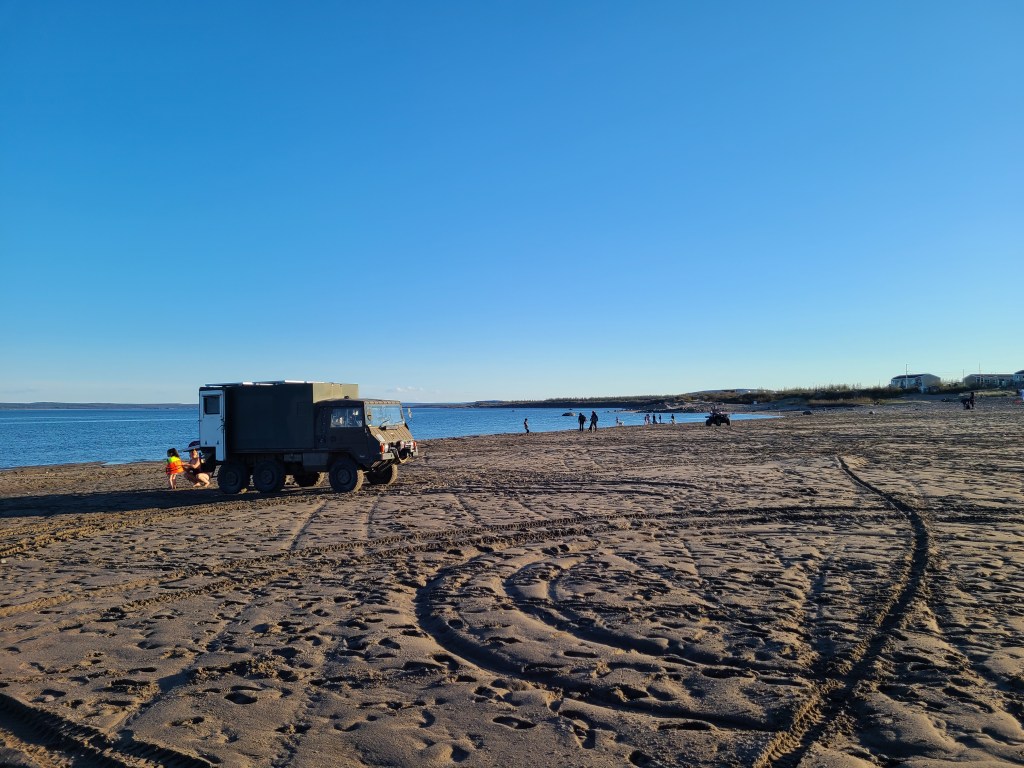
The week started off very warm for us here. From Monday to Wednesday, temperature averaged around 25 degrees during the day. This meant only one thing, Vamos a la playa!
When walking to the beach, you could see many kids wearing bathing suits and floaters whilst swimming and playing in the water with parents sunbathing on the sand. However, the difference here compared to the South is that just a couple of weeks ago, that very beach looked like this.
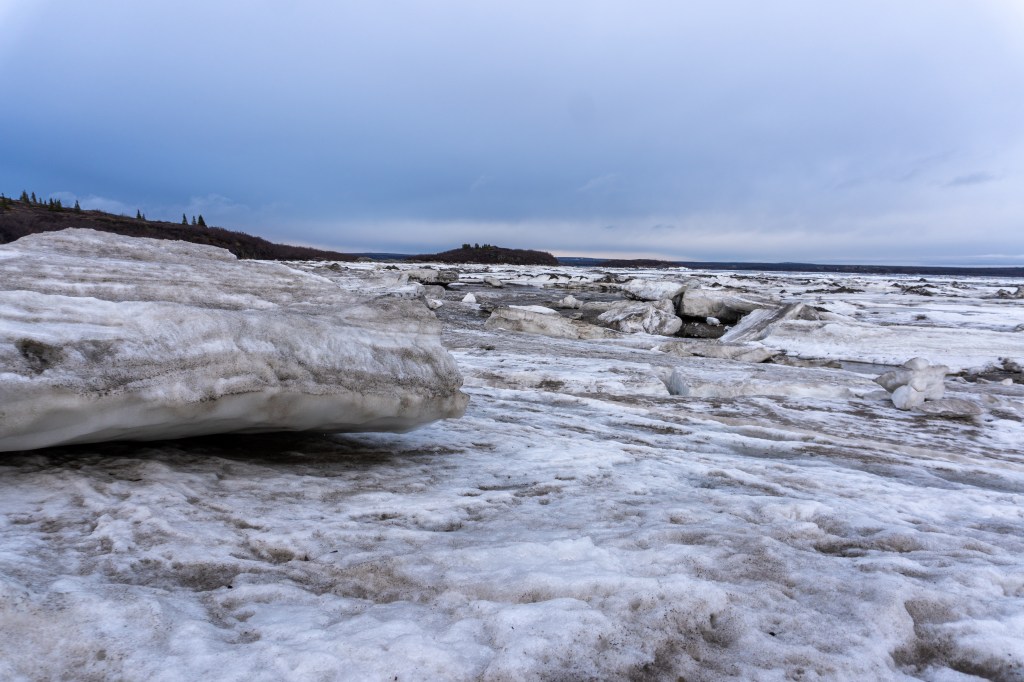
The water is still extremely cold, yet people came out in numbers to spend time at the beach and swim, saying that it was quite the refreshing experience. For kids here, it’s also a very exciting time, and they do not shy from jumping straight in the water. That excitement usually develops into core memories for adults as well.
When hot days like this occur, the community will always try to enjoy it fully. Work days are often times cut because employees want to enjoy the sunshine and beautiful weather instead of working in the office. A habit that should be transported down South in my opinion!
I wish I could have documented this a bit more, but the only day I had time to go out and report was Wednesday, and there was a thunderstorm that day.
A Forest Fire Across the River
In typical weather fashion, very hot weather is often times followed by a pretty violent thunderstorm. For Kuujjuaq, a string of three days at 25 degrees and up in early June is very hot.
The storm itself was not that bad. We are talking maybe 20 minutes of intense rain and some lightning and that was that. Right after, I even went out to take a few pictures to capture the post-thunderstorm dramatic skies.
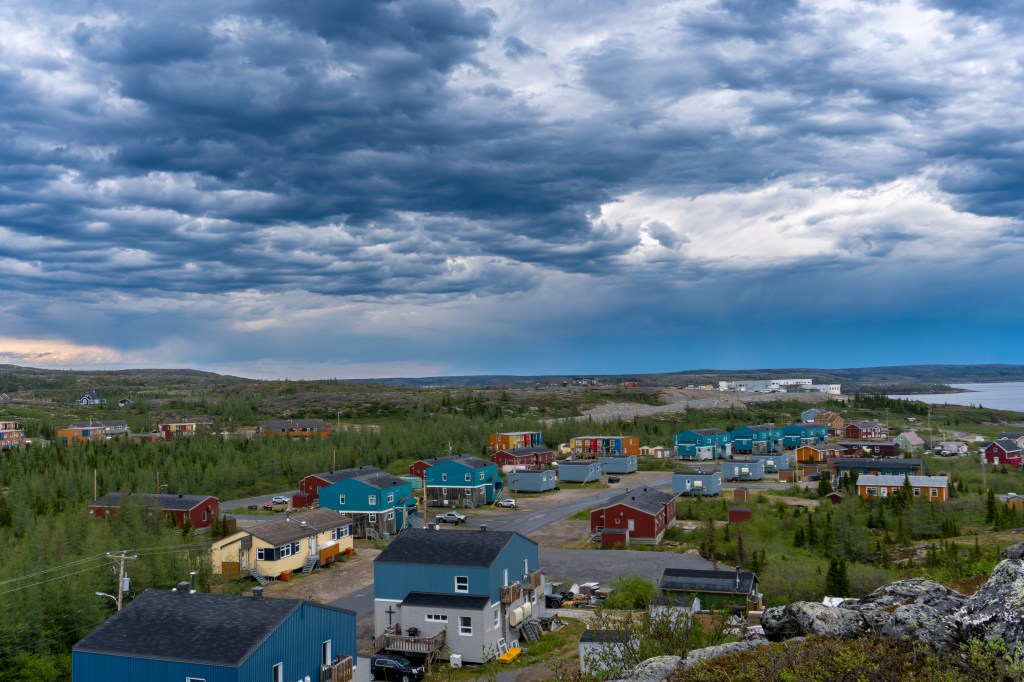
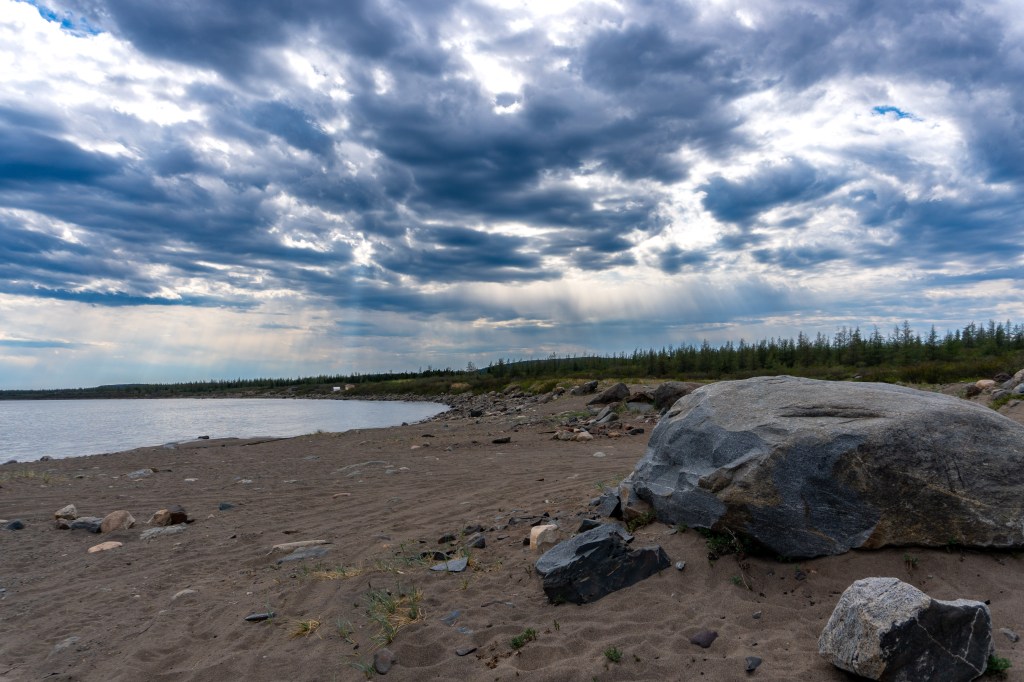
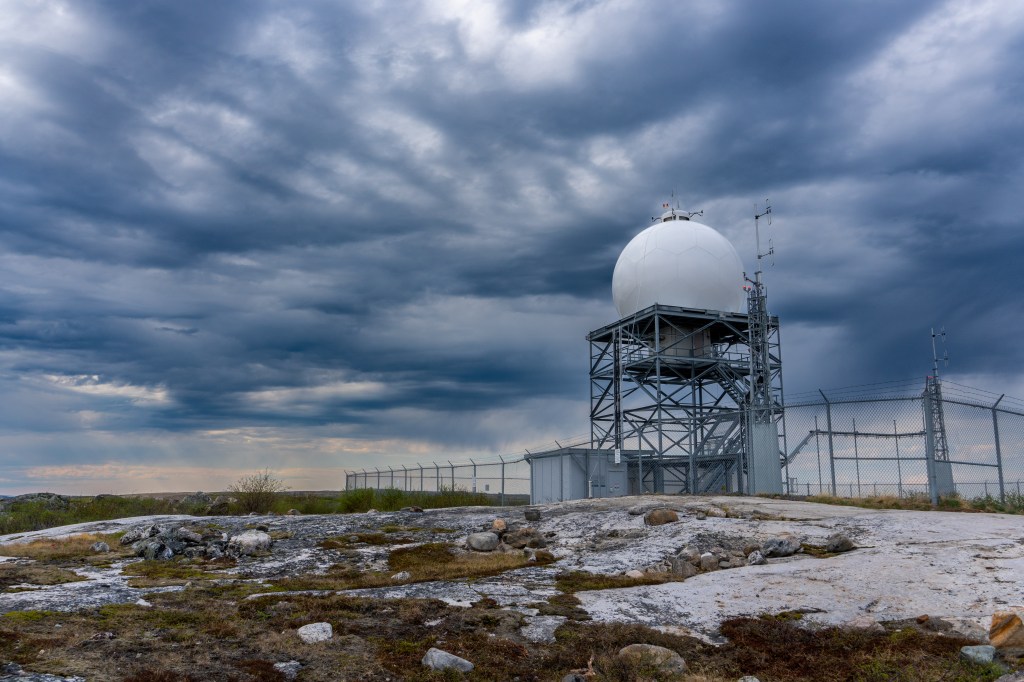
The pictures turned out amazing, but when I turned around from that radar shown above to look towards the town, I saw this.
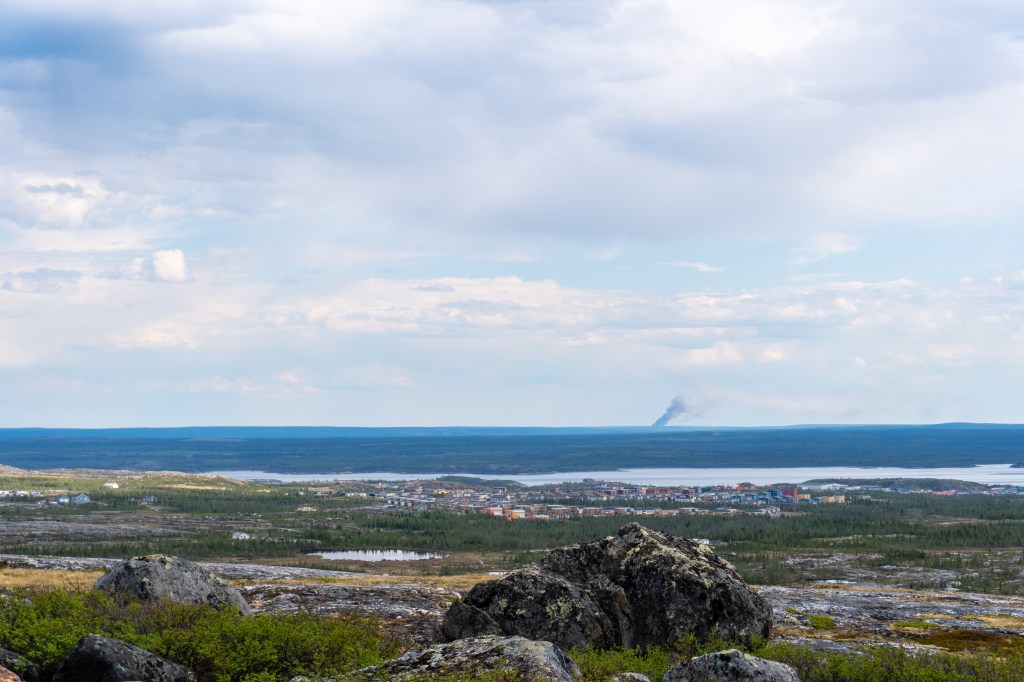
A forest fire 30km South from Kuujjuaq started to spread. It is believed that lightning struck the forest, igniting it. When I came back from my little photography trip, the town was already talking about the fire. People were going to the beach to see the it unfold.
Since it was across the river, the risk of it affecting the town itself was pretty much none. But, some were worried about their cabins that are situated near where the fire took place. Although, the local fire chief reassured people on the radio that risks were low, and the fire would not be spreading that far since the soil was wet from the rain.
Many gathered to Elder’s beach to watch the blaze throughout the night.

The fire lasted until Thursday. It was raining all night and it was four degrees. Here is the aftermath.
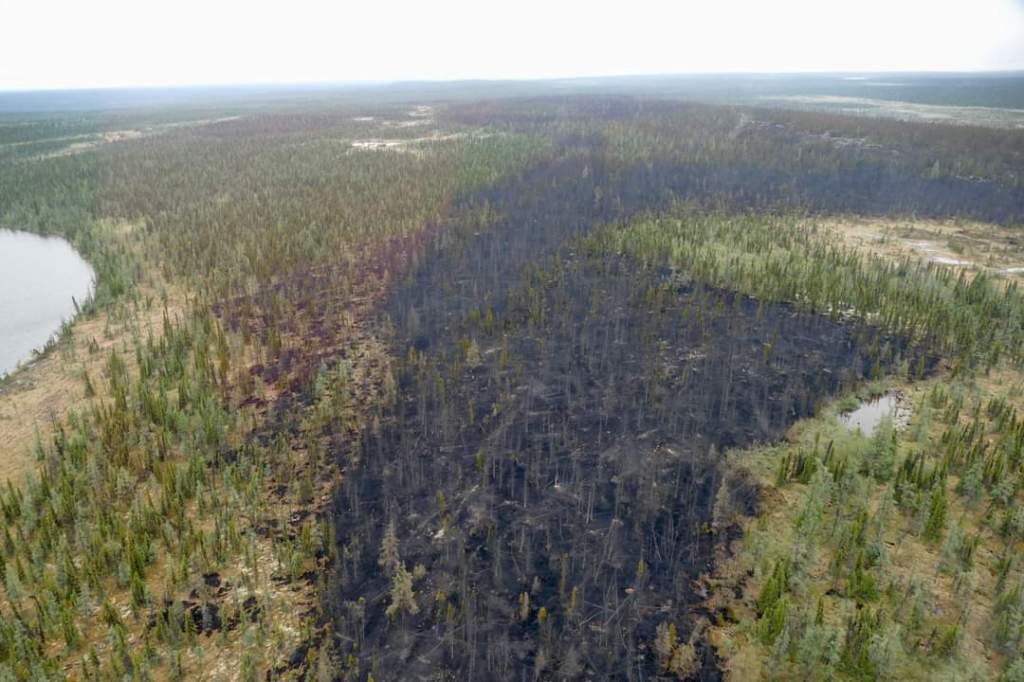
Forest fires like these happen all the time. It’s a natural cycle that every forest in the world have gone through, and is considered healthy for them in many ways. Wildfires open up the canopy and creates space for new growth and a constantly changing ecology. It also releases the nutrients from dead organic matter that were stagnant on the forest floor, creating space for other types of low-lying trees to grow and play a role in the food chain. And the main causes for healthy wildfires are lightning strikes and the sun’s heat.
But obviously, unnatural wildfires in especially dry places like California, spreading across hundreds of hectares, are not healthy. Nature is all about balance, and this is not it. Although, Kuujjuaq’s fire was pretty standard, but still an interesting story to tell.
The distribution of water in Nunavik
Water distribution in Indigenous communities is a controversial topic to say the least. We all heard the horror stories of towns who have had water boiling advisories for decades and water that sets aflame due to corporate fracking. But, as any problem, there are nuances.
Nunavik’s communities have a different water distribution system. The ground on which communities sit is made of pure rock, which makes it extremely difficult and costly to build and sustain an underground aqueduct and sewage system. In fact, only Kuujjuaraapik has a system like that because the soil is not pure rock from it stands. The 13 other communities though, they have another system that is quite unique.
By strolling the streets these towns you’ll most likely stumble upon a yellow tanker truck, speeding by to its next destination. These trucks can transport one of two things, water or sewage. Every house has its septic tank and water tank. When the water tank is low, or the septic tank is full, a light will turn on.

When one light turns on, you must contact the water services using their phone lines. You tell them what you need and your address, and a truck will come to pump or deliver.
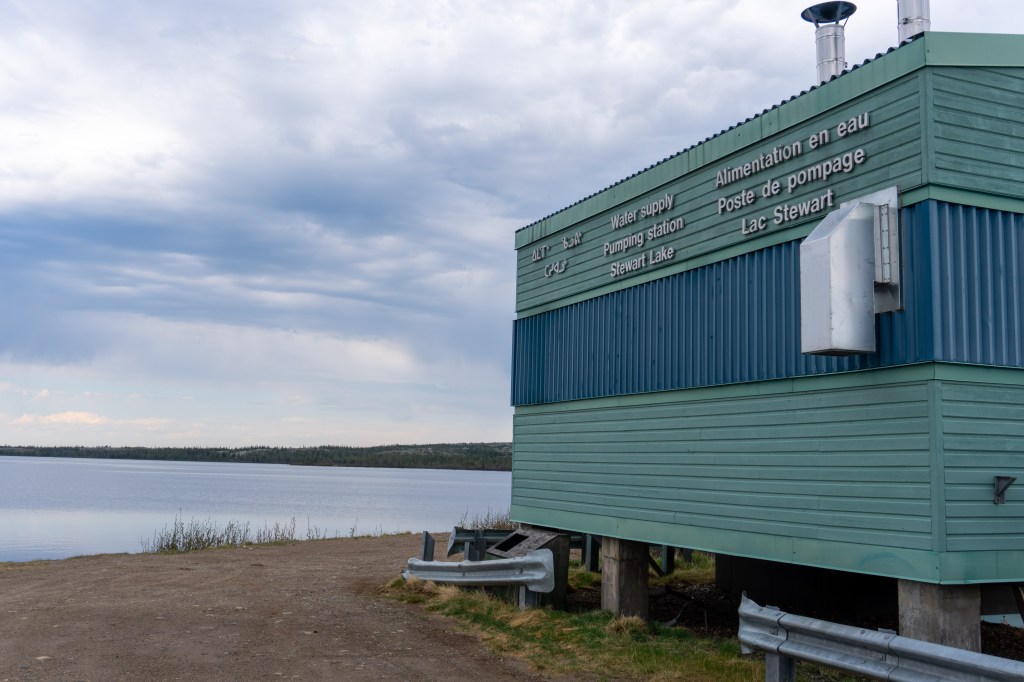
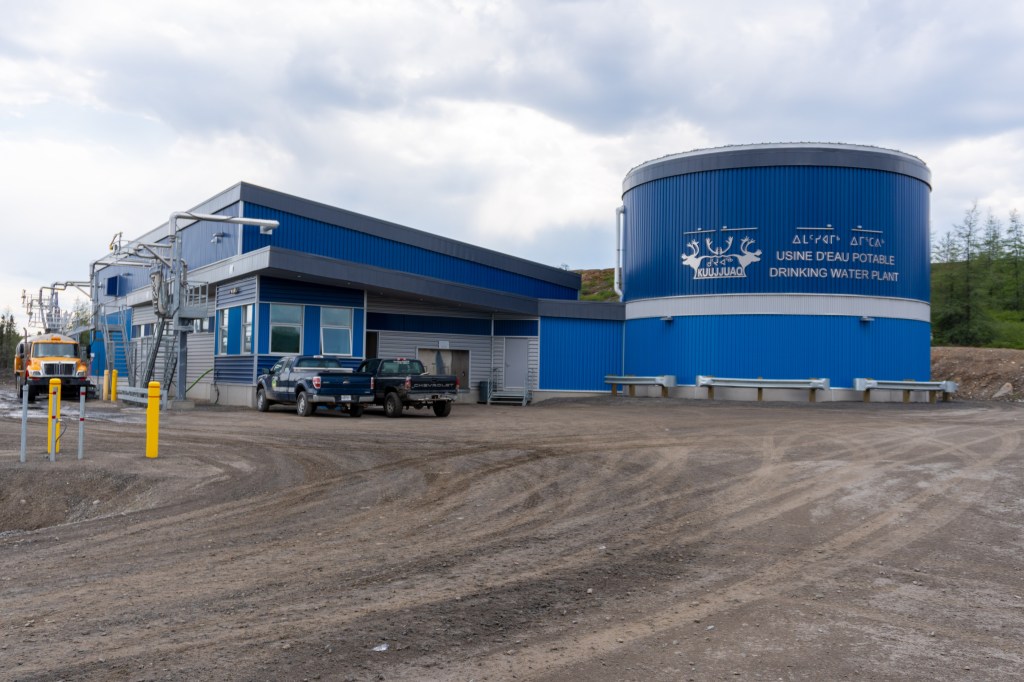
And then the soiled water gets dumped in an artificial pond away from town. This is the usual process for most towns.
Now, this system has been working for a while out here, but there are some instances where more should be done to ensure a safe and consistent water distribution to the local community. In many towns, the treatment plant has not been renovated nor cleaned in a long while, meaning that water boiling advisories are very common. In some towns, that advisory is more social than mandated. One of the first questions you should ask when you come in town is “Is the water drinkable?” Sometimes, people will advise you to drink bottled water.
All in all, the water situation here could be described as “under control.” But, could it be better? That’s a whole other topic!
That is all for now. Next week will be jampacked with information yet again.
Thanks for reading, and I will see you next time!
 Gallant's Lounge
Leave a comment